Signals
Moods, images and cultural explorations captured through mood boards, audiovisuals and illustration
Video Signals
Alien Signals From Retro Waves
This is a short music video I created to send as entry to the Assembly Winter 2026 event in Helsinki. The video tells a quirky story of aliens and grannies, in a retro settings inspired by cultural trends of the 80s-and early 1990s.
Signals:
The resurgence of mainstream discourse around non-human intelligence in 2025 — from congressional hearings to mainstream media speculation — signals a deeper cultural shift: a growing public appetite for alternative explanations of reality and a declining trust in institutional narratives.
So What*?:
This video uses retro aesthetics and absurdist humour not as nostalgia, but as a provocation — asking what it would mean if extraordinary phenomena were hiding in plain sight, legible only through the oldest, lowest-tech interfaces we have.
The underlying question is about signal and noise: in a world saturated with advanced sensing technology, what are we still not tuned into, and why?
Production Notes:
The music was created with GarageBand (my original tune), video footages from Pexels, some images edited with Unfold. Final video edited with iMovie.
*Freely quoting Miles Davis
Divination Of The Past
Short music video, personal project.
Signals:
Divination practices have surged among Millennials and Gen Z — astrology, tarot, and ritual are no longer fringe; they're editorial staples at Refinery29 and Vice, and the tarot card market has been on steady commercial growth for years.
Meanwhile, the most digitally connected generations in history report the highest rates of loneliness. The paradox is sharp: infinite reach, shrinking intimacy.
So What*?:
This video reframes divination. Instead of peering into the future, it traces a love bond across history — asking what we actually lose when we stop moving slowly toward each other.
Meal sharing, dancing, courtship: rituals that built connection through time and presence rather than instant selection. The fast-swipe dating model optimises for choice and delivers isolation.
If the stars are telling us anything, it may be that the future of intimacy looks less like an algorithm and more like an old waltz — and that the brands and experiences that understand this will be the ones that matter next.
Production Notes:
The music was created with GarageBand (my original tune), video footages from Pexels, some images edited with Unfold. Final video edited with iMovie.
*Freely quoting Miles Davis
Visual Signals
Wabi Sabi In The West
Signals:
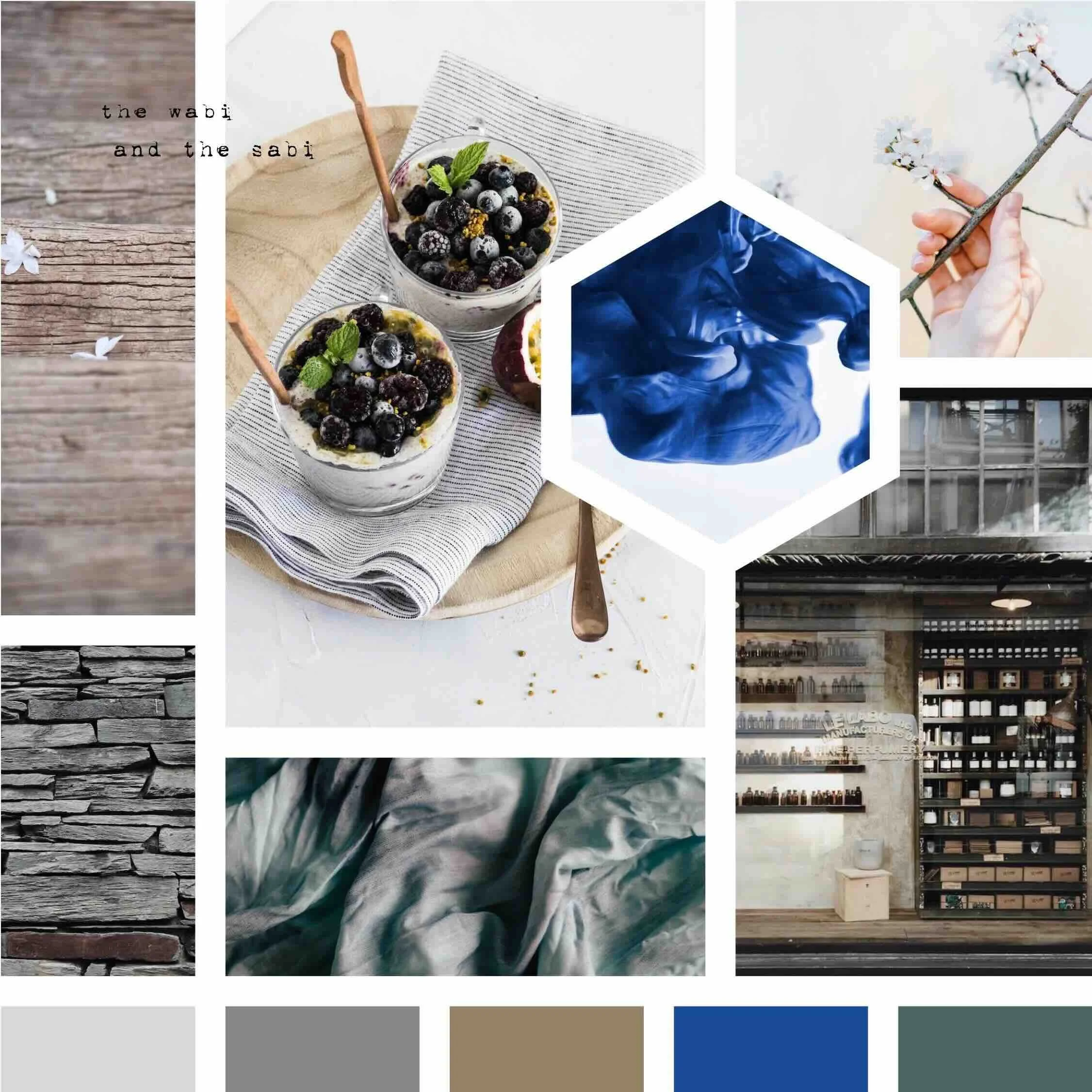
In 2021, Merriam-Webster officially introduced the Japanese expression “wabi-sabi” into its dictionary, consolidating into the English language a word that had long been used to describe a certain aesthetic sensibility.
So What*?:
Wabi-sabi is an invitation to find beauty and harmony in what is simple, imperfect, natural and modest. While overlapping slightly with a rustic trend, it captures a sense of sophistication which is often associated with Japanese aesthetics.
The look has become quite sought after in the West, with practices like Kintsugi becoming more mainstream (see the sets sold on Etsy and Amazon), and the associated Matcha trend (and cafés) being a collateral expression of it.
*Freely quoting Miles Davis
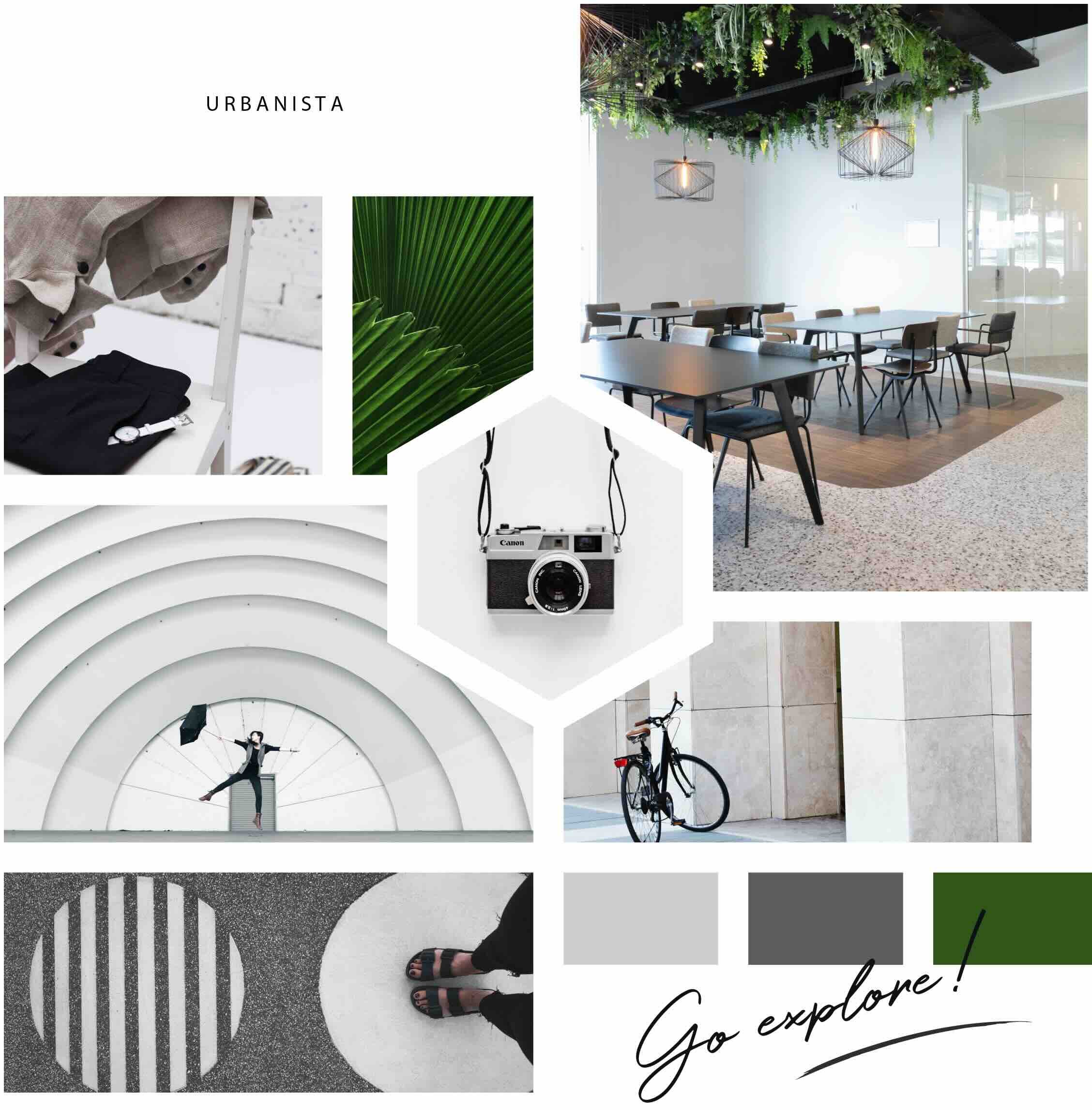
Human-Centred Cities
Signals:
As urban population is set to grow to 65% in 2025 from the current 56% figure, human-centred urban planning is making a strong come-back.
The idea is that urban environments should be designed around the needs and well-being of citizens rather than car or administrative infrastructure. The approach builds on values such as walkability, universal accessibility, inclusive public spaces, participatory planning and the 15-Minutes City idea of providing services within this time distance.
A notable example of this is Barcelona, with its Super-Block planning. These are car-limited areas where communal outdoor activities are encouraged through its design, which features pic-nic tables and colorful patterns on the concrete for children’s games.
So What*?:
Beyond the design impact on city planning, a human-centred framework in cities may also come with lifestyle changes. This mood board captures the liveable essence of this design philosophy, with increase use of bikes, more greenery, more communality in working and participatory city planning, more time to wander around the city to explore and, finally, a more playful approach to living the urban spaces.
*Freely quoting Miles Davis
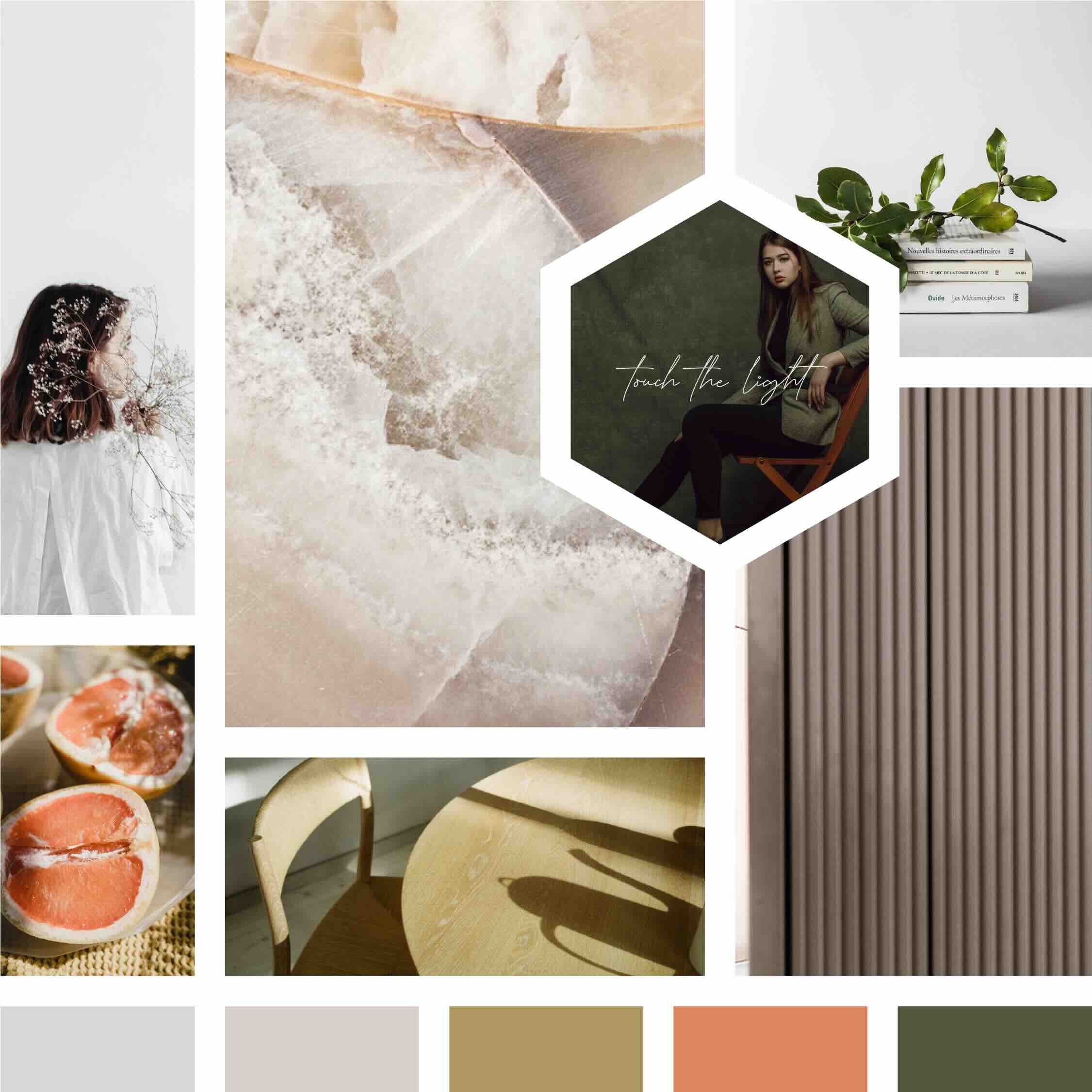
Light as Luxury
Signals:
While Minimalism has come to symbolise understated luxury, a new element has appeared to add warmth to a style otherwise often perceived as sterile: soft sunlight filtering through windows, trees and objects. In Japan, there is a word for this filtered light: “komorebi”, an invitation to appreciate the beauty of a moment.
Light which creates beautiful shadows play and add a golden veil to interiors. A light which can enhance the beauty of natural materials, such as stone and wood.
This trend of minimal + warmth, often described as “soft minimalism” (see Norm Architect’s philosphy), is not only a new form of luxury. It is also embedding an idea of wellbeing, of home as an escapist retreat from the noise of the outside world.
So What*?:
This mood board tries to synthesise this mix of simplicity, luxury, and added warmth given by light.
Light becomes a tangible good, almost tactile, adding story to daily living. More than form, the beauty lies now in the beauty of the natural elements themselves.
As people become overloaded with digital information, and constant noise becomes the background soundtrack of city living, there is a pull to return to the simple beauty of the natural.
A way to rewire our brain into calm, something that the field of neuro-aesthetics would also promote.
*Freely quoting Miles Davis
Traced Signals
Sweet 90s Nostalgia
Signals:
There is a trend started by Gen Z and Millennials promoting a nostalgia for the 1990s. It’s a yearning for a pre-digitalised era, when landlines reigned supreme, platforms did not control content algorithm, and the push to degrade content for profit had not yet reached massive scale.
This is almost a retroactive look for hope, as if going back in time could change the way forward and help us revert the so-called “enshittification” of the internet, as put by Cory Doctorow.
So What*?:
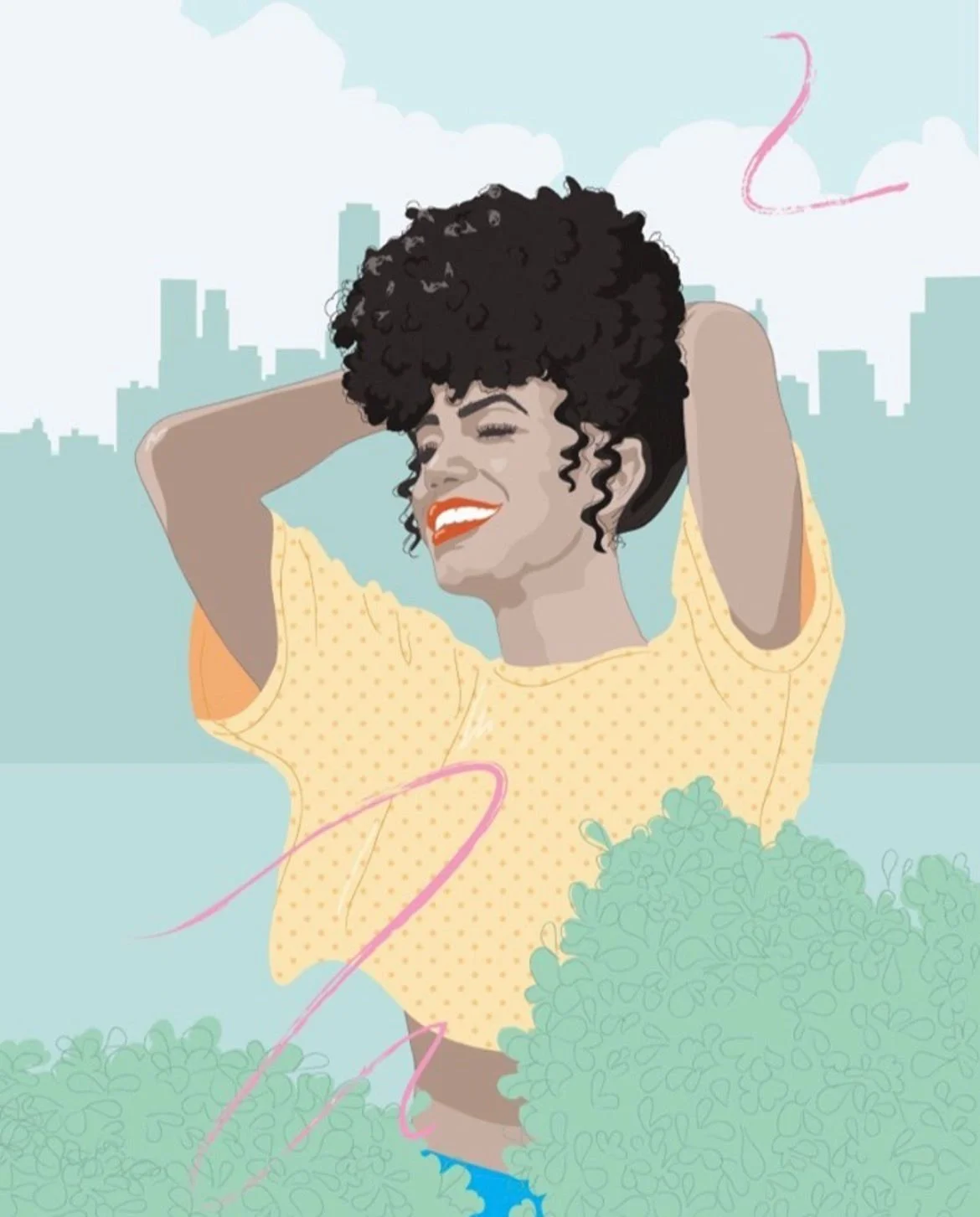
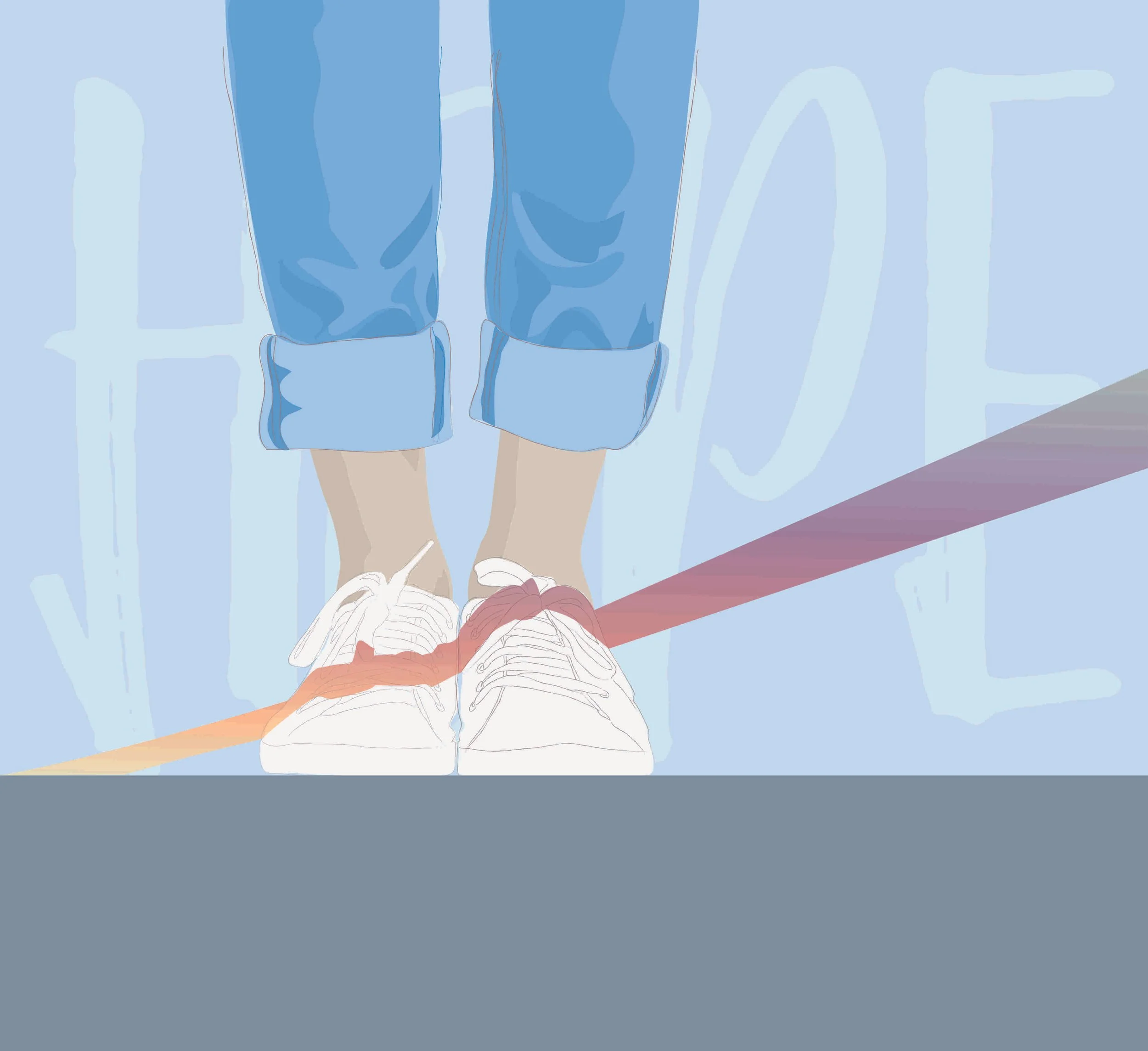
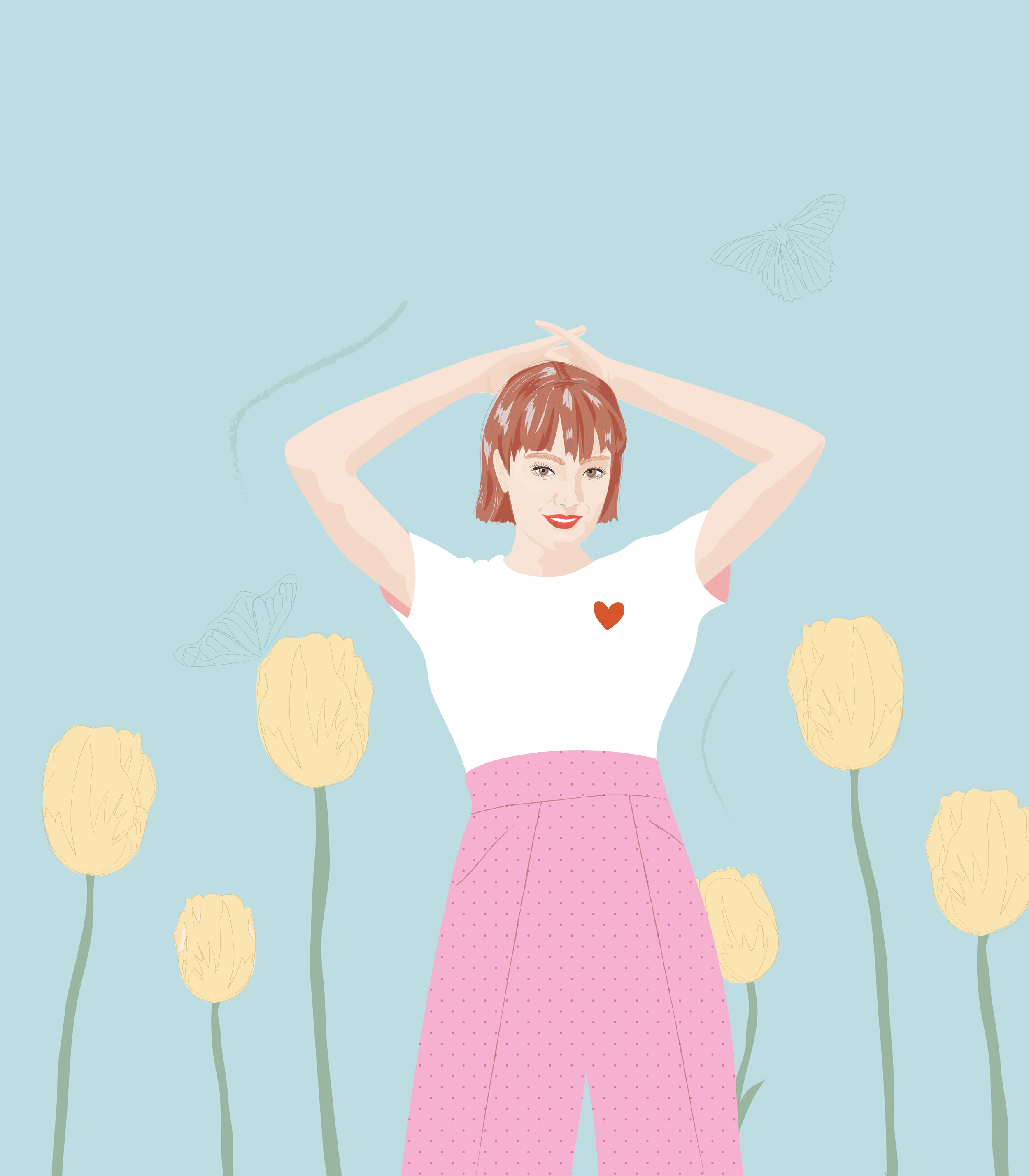
These illustration series tries to capture the positive, hopeful outlook of the 1990s. A time of pastel colours, rolled up blue jeans, when polka dots were trendy, and popular US TV shows were showing us iconic female characters and multicultural societies (think Friends, Beverly Hills 2010, The Fresh Prince of Bel Air).
The style is inspired by the portraits of Japanese-American illustrator Pater Sato. Some general inspiration in themes, colours and palette by European brands of the time, like Italian Naj Oleari and French Cacharel.
*Freely quoting Miles Davis